new

Get trending papers in your email inbox!

Subscribe

Daily Papers

byAK and the research community

Jan 9

Constructing interval variables via faceted Rasch measurement and multitask deep learning: a hate speech application

We propose a general method for measuring complex variables on a continuous, interval spectrum by combining supervised deep learning with the Constructing Measures approach to faceted Rasch item response theory (IRT). We decompose the target construct, hate speech in our case, into multiple constituent components that are labeled as ordinal survey items. Those survey responses are transformed via IRT into a debiased, continuous outcome measure. Our method estimates the survey interpretation bias of the human labelers and eliminates that influence on the generated continuous measure. We further estimate the response quality of each labeler using faceted IRT, allowing responses from low-quality labelers to be removed. Our faceted Rasch scaling procedure integrates naturally with a multitask deep learning architecture for automated prediction on new data. The ratings on the theorized components of the target outcome are used as supervised, ordinal variables for the neural networks' internal concept learning. We test the use of an activation function (ordinal softmax) and loss function (ordinal cross-entropy) designed to exploit the structure of ordinal outcome variables. Our multitask architecture leads to a new form of model interpretation because each continuous prediction can be directly explained by the constituent components in the penultimate layer. We demonstrate this new method on a dataset of 50,000 social media comments sourced from YouTube, Twitter, and Reddit and labeled by 11,000 U.S.-based Amazon Mechanical Turk workers to measure a continuous spectrum from hate speech to counterspeech. We evaluate Universal Sentence Encoders, BERT, and RoBERTa as language representation models for the comment text, and compare our predictive accuracy to Google Jigsaw's Perspective API models, showing significant improvement over this standard benchmark.

  • 4 authors
·
Sep 21, 2020

Bt-GAN: Generating Fair Synthetic Healthdata via Bias-transforming Generative Adversarial Networks

Synthetic data generation offers a promising solution to enhance the usefulness of Electronic Healthcare Records (EHR) by generating realistic de-identified data. However, the existing literature primarily focuses on the quality of synthetic health data, neglecting the crucial aspect of fairness in downstream predictions. Consequently, models trained on synthetic EHR have faced criticism for producing biased outcomes in target tasks. These biases can arise from either spurious correlations between features or the failure of models to accurately represent sub-groups. To address these concerns, we present Bias-transforming Generative Adversarial Networks (Bt-GAN), a GAN-based synthetic data generator specifically designed for the healthcare domain. In order to tackle spurious correlations (i), we propose an information-constrained Data Generation Process that enables the generator to learn a fair deterministic transformation based on a well-defined notion of algorithmic fairness. To overcome the challenge of capturing exact sub-group representations (ii), we incentivize the generator to preserve sub-group densities through score-based weighted sampling. This approach compels the generator to learn from underrepresented regions of the data manifold. We conduct extensive experiments using the MIMIC-III database. Our results demonstrate that Bt-GAN achieves SOTA accuracy while significantly improving fairness and minimizing bias amplification. We also perform an in-depth explainability analysis to provide additional evidence supporting the validity of our study. In conclusion, our research introduces a novel and professional approach to addressing the limitations of synthetic data generation in the healthcare domain. By incorporating fairness considerations and leveraging advanced techniques such as GANs, we pave the way for more reliable and unbiased predictions in healthcare applications.

  • 4 authors
·
Apr 21, 2024

Regression Discontinuity Design with Distribution-Valued Outcomes

This article introduces Regression Discontinuity Design (RDD) with Distribution-Valued Outcomes (R3D), extending the standard RDD framework to settings where the outcome is a distribution rather than a scalar. Such settings arise when treatment is assigned at a higher level of aggregation than the outcome-for example, when a subsidy is allocated based on a firm-level revenue cutoff while the outcome of interest is the distribution of employee wages within the firm. Since standard RDD methods cannot accommodate such two-level randomness, I propose a novel approach based on random distributions. The target estimand is a "local average quantile treatment effect", which averages across random quantiles. To estimate this target, I introduce two related approaches: one that extends local polynomial regression to random quantiles and another based on local Fr\'echet regression, a form of functional regression. For both estimators, I establish asymptotic normality and develop uniform, debiased confidence bands together with a data-driven bandwidth selection procedure. Simulations validate these theoretical properties and show existing methods to be biased and inconsistent in this setting. I then apply the proposed methods to study the effects of gubernatorial party control on within-state income distributions in the US, using a close-election design. The results suggest a classic equality-efficiency tradeoff under Democratic governorship, driven by reductions in income at the top of the distribution.

  • 1 authors
·
Apr 4, 2025

Multimodal AI predicts clinical outcomes of drug combinations from preclinical data

Predicting clinical outcomes from preclinical data is essential for identifying safe and effective drug combinations. Current models rely on structural or target-based features to identify high-efficacy, low-toxicity drug combinations. However, these approaches fail to incorporate the multimodal data necessary for accurate, clinically-relevant predictions. Here, we introduce MADRIGAL, a multimodal AI model that learns from structural, pathway, cell viability, and transcriptomic data to predict drug combination effects across 953 clinical outcomes and 21842 compounds, including combinations of approved drugs and novel compounds in development. MADRIGAL uses a transformer bottleneck module to unify preclinical drug data modalities while handling missing data during training and inference--a major challenge in multimodal learning. It outperforms single-modality methods and state-of-the-art models in predicting adverse drug interactions. MADRIGAL performs virtual screening of anticancer drug combinations and supports polypharmacy management for type II diabetes and metabolic dysfunction-associated steatohepatitis (MASH). It identifies transporter-mediated drug interactions. MADRIGAL predicts resmetirom, the first and only FDA-approved drug for MASH, among therapies with the most favorable safety profile. It supports personalized cancer therapy by integrating genomic profiles from cancer patients. Using primary acute myeloid leukemia samples and patient-derived xenograft models, it predicts the efficacy of personalized drug combinations. Integrating MADRIGAL with a large language model allows users to describe clinical outcomes in natural language, improving safety assessment by identifying potential adverse interactions and toxicity risks. MADRIGAL provides a multimodal approach for designing combination therapies with improved predictive accuracy and clinical relevance.

  • 10 authors
·
Mar 4, 2025

Discrimination through optimization: How Facebook's ad delivery can lead to skewed outcomes

The enormous financial success of online advertising platforms is partially due to the precise targeting features they offer. Although researchers and journalists have found many ways that advertisers can target---or exclude---particular groups of users seeing their ads, comparatively little attention has been paid to the implications of the platform's ad delivery process, comprised of the platform's choices about which users see which ads. It has been hypothesized that this process can "skew" ad delivery in ways that the advertisers do not intend, making some users less likely than others to see particular ads based on their demographic characteristics. In this paper, we demonstrate that such skewed delivery occurs on Facebook, due to market and financial optimization effects as well as the platform's own predictions about the "relevance" of ads to different groups of users. We find that both the advertiser's budget and the content of the ad each significantly contribute to the skew of Facebook's ad delivery. Critically, we observe significant skew in delivery along gender and racial lines for "real" ads for employment and housing opportunities despite neutral targeting parameters. Our results demonstrate previously unknown mechanisms that can lead to potentially discriminatory ad delivery, even when advertisers set their targeting parameters to be highly inclusive. This underscores the need for policymakers and platforms to carefully consider the role of the ad delivery optimization run by ad platforms themselves---and not just the targeting choices of advertisers---in preventing discrimination in digital advertising.

  • 6 authors
·
Apr 3, 2019

HINT: Hierarchical Interaction Network for Trial Outcome Prediction Leveraging Web Data

Clinical trials are crucial for drug development but are time consuming, expensive, and often burdensome on patients. More importantly, clinical trials face uncertain outcomes due to issues with efficacy, safety, or problems with patient recruitment. If we were better at predicting the results of clinical trials, we could avoid having to run trials that will inevitably fail more resources could be devoted to trials that are likely to succeed. In this paper, we propose Hierarchical INteraction Network (HINT) for more general, clinical trial outcome predictions for all diseases based on a comprehensive and diverse set of web data including molecule information of the drugs, target disease information, trial protocol and biomedical knowledge. HINT first encode these multi-modal data into latent embeddings, where an imputation module is designed to handle missing data. Next, these embeddings will be fed into the knowledge embedding module to generate knowledge embeddings that are pretrained using external knowledge on pharmaco-kinetic properties and trial risk from the web. Then the interaction graph module will connect all the embedding via domain knowledge to fully capture various trial components and their complex relations as well as their influences on trial outcomes. Finally, HINT learns a dynamic attentive graph neural network to predict trial outcome. Comprehensive experimental results show that HINT achieves strong predictive performance, obtaining 0.772, 0.607, 0.623, 0.703 on PR-AUC for Phase I, II, III, and indication outcome prediction, respectively. It also consistently outperforms the best baseline method by up to 12.4\% on PR-AUC.

  • 5 authors
·
Feb 8, 2021

Direct Inversion: Boosting Diffusion-based Editing with 3 Lines of Code

Text-guided diffusion models have revolutionized image generation and editing, offering exceptional realism and diversity. Specifically, in the context of diffusion-based editing, where a source image is edited according to a target prompt, the process commences by acquiring a noisy latent vector corresponding to the source image via the diffusion model. This vector is subsequently fed into separate source and target diffusion branches for editing. The accuracy of this inversion process significantly impacts the final editing outcome, influencing both essential content preservation of the source image and edit fidelity according to the target prompt. Prior inversion techniques aimed at finding a unified solution in both the source and target diffusion branches. However, our theoretical and empirical analyses reveal that disentangling these branches leads to a distinct separation of responsibilities for preserving essential content and ensuring edit fidelity. Building on this insight, we introduce "Direct Inversion," a novel technique achieving optimal performance of both branches with just three lines of code. To assess image editing performance, we present PIE-Bench, an editing benchmark with 700 images showcasing diverse scenes and editing types, accompanied by versatile annotations and comprehensive evaluation metrics. Compared to state-of-the-art optimization-based inversion techniques, our solution not only yields superior performance across 8 editing methods but also achieves nearly an order of speed-up.

  • 5 authors
·
Oct 2, 2023

Seeing Isn't Believing: Context-Aware Adversarial Patch Synthesis via Conditional GAN

Adversarial patch attacks pose a severe threat to deep neural networks, yet most existing approaches rely on unrealistic white-box assumptions, untargeted objectives, or produce visually conspicuous patches that limit real-world applicability. In this work, we introduce a novel framework for fully controllable adversarial patch generation, where the attacker can freely choose both the input image x and the target class y target, thereby dictating the exact misclassification outcome. Our method combines a generative U-Net design with Grad-CAM-guided patch placement, enabling semantic-aware localization that maximizes attack effectiveness while preserving visual realism. Extensive experiments across convolutional networks (DenseNet-121, ResNet-50) and vision transformers (ViT-B/16, Swin-B/16, among others) demonstrate that our approach achieves state-of-the-art performance across all settings, with attack success rates (ASR) and target-class success (TCS) consistently exceeding 99%. Importantly, we show that our method not only outperforms prior white-box attacks and untargeted baselines, but also surpasses existing non-realistic approaches that produce detectable artifacts. By simultaneously ensuring realism, targeted control, and black-box applicability-the three most challenging dimensions of patch-based attacks-our framework establishes a new benchmark for adversarial robustness research, bridging the gap between theoretical attack strength and practical stealthiness.

  • 4 authors
·
Sep 26, 2025

More is Less: The Pitfalls of Multi-Model Synthetic Preference Data in DPO Safety Alignment

Aligning large language models (LLMs) with human values is an increasingly critical step in post-training. Direct Preference Optimization (DPO) has emerged as a simple, yet effective alternative to reinforcement learning from human feedback (RLHF). Synthetic preference data with its low cost and high quality enable effective alignment through single- or multi-model generated preference data. Our study reveals a striking, safety-specific phenomenon associated with DPO alignment: Although multi-model generated data enhances performance on general tasks (ARC, Hellaswag, MMLU, TruthfulQA, Winogrande) by providing diverse responses, it also tends to facilitate reward hacking during training. This can lead to a high attack success rate (ASR) when models encounter jailbreaking prompts. The issue is particularly pronounced when employing stronger models like GPT-4o or larger models in the same family to generate chosen responses paired with target model self-generated rejected responses, resulting in dramatically poorer safety outcomes. Furthermore, with respect to safety, using solely self-generated responses (single-model generation) for both chosen and rejected pairs significantly outperforms configurations that incorporate responses from stronger models, whether used directly as chosen data or as part of a multi-model response pool. We demonstrate that multi-model preference data exhibits high linear separability between chosen and rejected responses, which allows models to exploit superficial cues rather than internalizing robust safety constraints. Our experiments, conducted on models from the Llama, Mistral, and Qwen families, consistently validate these findings.

  • 10 authors
·
Apr 2, 2025

Arena Learning: Build Data Flywheel for LLMs Post-training via Simulated Chatbot Arena

Assessing the effectiveness of large language models (LLMs) presents substantial challenges. The method of conducting human-annotated battles in an online Chatbot Arena is a highly effective evaluative technique. However, this approach is limited by the costs and time required for human annotation. In this paper, we introduce Arena Learning, an innovative offline strategy designed to simulate these arena battles using AI-driven annotations to evaluate battle outcomes, thus facilitating the continuous improvement of the target model through both supervised fine-tuning and reinforcement learning. Arena Learning comprises two key elements. First, it ensures precise evaluations and maintains consistency between offline simulations and online competitions via WizardArena, a pipeline developed to accurately predict the Elo rankings of various models using a meticulously designed offline test set. Our results demonstrate that WizardArena's predictions closely align with those from the online Arena. Second, it involves the continuous improvement of training data based on the battle results and the refined model. We establish a data flywheel to iteratively update the training data by highlighting the weaknesses of the target model based on its battle results, enabling it to learn from the strengths of multiple different models. We apply Arena Learning to train our target model, WizardLM-beta, and demonstrate significant performance enhancements across various metrics. This fully automated training and evaluation pipeline sets the stage for continuous advancements in various LLMs via post-training. Notably, Arena Learning plays a pivotal role in the success of WizardLM-2, and this paper serves both as an exploration of its efficacy and a foundational study for future discussions related to WizardLM-2 and its derivatives.

  • 9 authors
·
Jul 15, 2024

CoDeF: Content Deformation Fields for Temporally Consistent Video Processing

We present the content deformation field CoDeF as a new type of video representation, which consists of a canonical content field aggregating the static contents in the entire video and a temporal deformation field recording the transformations from the canonical image (i.e., rendered from the canonical content field) to each individual frame along the time axis.Given a target video, these two fields are jointly optimized to reconstruct it through a carefully tailored rendering pipeline.We advisedly introduce some regularizations into the optimization process, urging the canonical content field to inherit semantics (e.g., the object shape) from the video.With such a design, CoDeF naturally supports lifting image algorithms for video processing, in the sense that one can apply an image algorithm to the canonical image and effortlessly propagate the outcomes to the entire video with the aid of the temporal deformation field.We experimentally show that CoDeF is able to lift image-to-image translation to video-to-video translation and lift keypoint detection to keypoint tracking without any training.More importantly, thanks to our lifting strategy that deploys the algorithms on only one image, we achieve superior cross-frame consistency in processed videos compared to existing video-to-video translation approaches, and even manage to track non-rigid objects like water and smog.Project page can be found at https://qiuyu96.github.io/CoDeF/.

  • 9 authors
·
Aug 15, 2023 1

Model-free Approach to Evaluate a Censored Intermediate Outcome as a Surrogate for Overall Survival

Clinical trials or studies oftentimes require long-term and/or costly follow-up of participants to evaluate a novel treatment/drug/vaccine. There has been increasing interest in the past few decades in using short-term surrogate outcomes as a replacement of the primary outcome i.e., in using the surrogate outcome, which can potentially be observed sooner, to make inference about the treatment effect on the long-term primary outcome. Very few of the available statistical methods to evaluate a surrogate are applicable to settings where both the surrogate and the primary outcome are time-to-event outcomes subject to censoring. Methods that can handle this setting tend to require parametric assumptions or be limited to assessing only the restricted mean survival time. In this paper, we propose a non-parametric approach to evaluate a censored surrogate outcome, such as time to progression, when the primary outcome is also a censored time-to-event outcome, such as time to death, and the treatment effect of interest is the difference in overall survival. Specifically, we define the proportion of the treatment effect on the primary outcome that is explained (PTE) by the censored surrogate outcome in this context, and estimate this proportion by defining and deriving an optimal transformation of the surrogate information. Our approach provides the added advantage of relaxed assumptions to guarantee that the true PTE is within (0,1), along with being model-free. Finite sample performance of our estimators are illustrated via extensive simulation studies and a real data application examining progression-free survival as a surrogate for overall survival for patients with metastatic colorectal cancer.

  • 4 authors
·
Dec 18, 2024

Free Process Rewards without Process Labels

Different from its counterpart outcome reward models (ORMs), which evaluate the entire responses, a process reward model (PRM) scores a reasoning trajectory step by step, providing denser and more fine grained rewards. However, training a PRM requires labels annotated at every intermediate step, presenting significant challenges for both manual and automatic data collection. This paper aims to address this challenge. Both theoretically and empirically, we show that an implicit PRM can be obtained at no additional cost, by simply training an ORM on the cheaper response-level labels. The only assumption is to parameterize the outcome reward as the log-likelihood ratios of the policy and reference models, which can be optimized regardless of the specific choice of loss objectives. In experiments, we instantiate our implicit PRMs with various objectives and evaluate their performance on MATH. We show that our implicit PRM outperforms a strong MCTS-based baseline \'a la Math-Shepherd using less than 1/38 of the training data. Its performance can be further improved with majority voting. We further find that scaling up instructions and responses benefits our implicit PRM, and the latter brings a larger gain. Particularly, we find that our implicit PRM, when instantiated with the cross-entropy (CE) loss, is more data-efficient and can keep improving generation models even when trained with only one response per instruction, the setup that suffers from extreme data scarcity and imbalance. Further, instructions should be relevant to downstream tasks while the diversity of responses does not bring gains. Surprisingly, training on extra Math-Shepherd step labels brings no further improvements to our implicit PRM trained on only outcome data. We hope that our work will encourage a rethinking of PRM training approaches and contribute to making training PRMs more accessible.

  • 9 authors
·
Dec 2, 2024 2

Biases in Expected Goals Models Confound Finishing Ability

Expected Goals (xG) has emerged as a popular tool for evaluating finishing skill in soccer analytics. It involves comparing a player's cumulative xG with their actual goal output, where consistent overperformance indicates strong finishing ability. However, the assessment of finishing skill in soccer using xG remains contentious due to players' difficulty in consistently outperforming their cumulative xG. In this paper, we aim to address the limitations and nuances surrounding the evaluation of finishing skill using xG statistics. Specifically, we explore three hypotheses: (1) the deviation between actual and expected goals is an inadequate metric due to the high variance of shot outcomes and limited sample sizes, (2) the inclusion of all shots in cumulative xG calculation may be inappropriate, and (3) xG models contain biases arising from interdependencies in the data that affect skill measurement. We found that sustained overperformance of cumulative xG requires both high shot volumes and exceptional finishing, including all shot types can obscure the finishing ability of proficient strikers, and that there is a persistent bias that makes the actual and expected goals closer for excellent finishers than it really is. Overall, our analysis indicates that we need more nuanced quantitative approaches for investigating a player's finishing ability, which we achieved using a technique from AI fairness to learn an xG model that is calibrated for multiple subgroups of players. As a concrete use case, we show that (1) the standard biased xG model underestimates Messi's GAX by 17% and (2) Messi's GAX is 27% higher than the typical elite high-shot-volume attacker, indicating that Messi is even a more exceptional finisher than people commonly believed.

  • 2 authors
·
Jan 18, 2024

An Analysis of Causal Effect Estimation using Outcome Invariant Data Augmentation

The technique of data augmentation (DA) is often used in machine learning for regularization purposes to better generalize under i.i.d. settings. In this work, we present a unifying framework with topics in causal inference to make a case for the use of DA beyond just the i.i.d. setting, but for generalization across interventions as well. Specifically, we argue that when the outcome generating mechanism is invariant to our choice of DA, then such augmentations can effectively be thought of as interventions on the treatment generating mechanism itself. This can potentially help to reduce bias in causal effect estimation arising from hidden confounders. In the presence of such unobserved confounding we typically make use of instrumental variables (IVs) -- sources of treatment randomization that are conditionally independent of the outcome. However, IVs may not be as readily available as DA for many applications, which is the main motivation behind this work. By appropriately regularizing IV based estimators, we introduce the concept of IV-like (IVL) regression for mitigating confounding bias and improving predictive performance across interventions even when certain IV properties are relaxed. Finally, we cast parameterized DA as an IVL regression problem and show that when used in composition can simulate a worst-case application of such DA, further improving performance on causal estimation and generalization tasks beyond what simple DA may offer. This is shown both theoretically for the population case and via simulation experiments for the finite sample case using a simple linear example. We also present real data experiments to support our case.

  • 5 authors
·
Oct 28, 2025 1

Learning Interactions Between Continuous Treatments and Covariates with a Semiparametric Model

Estimating the impact of continuous treatment variables (e.g., dosage amount) on binary outcomes presents significant challenges in modeling and estimation because many existing approaches make strong assumptions that do not hold for certain continuous treatment variables. For instance, traditional logistic regression makes strong linearity assumptions that do not hold for continuous treatment variables like time of initiation. In this work, we propose a semiparametric regression framework that decomposes effects into two interpretable components: a prognostic score that captures baseline outcome risk based on a combination of clinical, genetic, and sociodemographic features, and a treatment-interaction score that flexibly models the optimal treatment level via a nonparametric link function. By connecting these two parametric scores with Nadaraya-Watson regression, our approach is both interpretable and flexible. The potential of our approach is demonstrated through numerical simulations that show empirical estimation convergence. We conclude by applying our approach to a real-world case study using the International Warfarin Pharmacogenomics Consortium (IWPC) dataset to show our approach's clinical utility by deriving personalized warfarin dosing recommendations that integrate both genetic and clinical data, providing insights towards enhancing patient safety and therapeutic efficacy in anticoagulation therapy.

  • 3 authors
·
May 6, 2025

Hybrid Reward Normalization for Process-supervised Non-verifiable Agentic Tasks

Large Language Models (LLMs) increasingly rely on external tools such as search engines to solve complex agentic tasks that require reasoning and external knowledge retrieval. Recently, reinforcement learning with verifiable rewards (RLVR) has demonstrated its effectiveness in advancing capabilities of LLMs by rewarding the final answers via outcome rewards. While straightforward to supervise, outcome rewards only provide sparse signals and delayed feedback, which limits their effectiveness on long trajectories. Process rewards address this by evaluating intermediate steps, providing fine-grained supervision and encouraging grounded problem solving. However, it is notoriously hard to annotate step-wise labels, especially in non-verifiable process without "golden" answers. Furthermore, step-wise judgment requires the balance between local quality with contribution to the final outcome, as optimizing towards higher process reward may not always align with better final outcomes. To address the above challenges, we introduce Principle Process Reward (PPR), an RL approach that unifies principled step-level assessment and outcome verification. We train a principle-based reward model to improve the transparency and reliability of process evaluation, and further introduce a Reward Normalization (ReNorm) strategy to calibrate outcome and process rewards. Experiment results show that PPR achieves state-of-the-art performance across a wide range of benchmarks, demonstrating its impressive robustness and generalization. Our code and model collection is available in this link.

  • 6 authors
·
Sep 29, 2025

What-If Analysis of Large Language Models: Explore the Game World Using Proactive Thinking

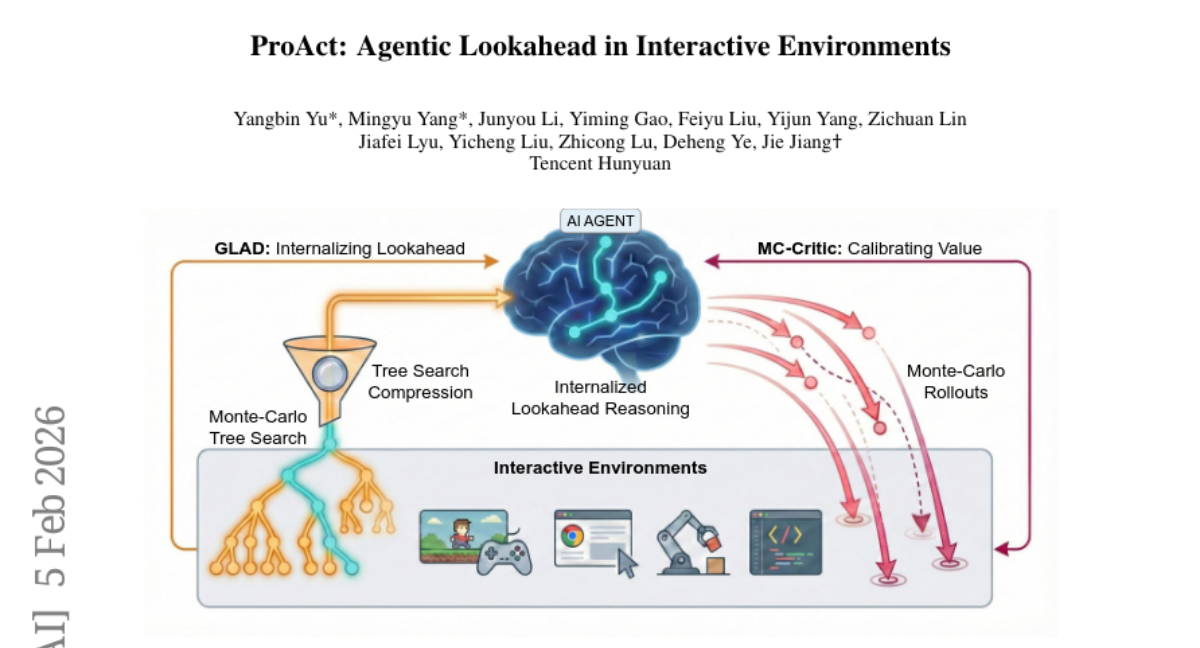
Large language models (LLMs) excel at processing information reactively but lack the ability to systemically explore hypothetical futures. They cannot ask, "what if we take this action? how will it affect the final outcome" and forecast its potential consequences before acting. This critical gap limits their utility in dynamic, high-stakes scenarios like strategic planning, risk assessment, and real-time decision making. To bridge this gap, we propose WiA-LLM, a new paradigm that equips LLMs with proactive thinking capabilities. Our approach integrates What-If Analysis (WIA), a systematic approach for evaluating hypothetical scenarios by changing input variables. By leveraging environmental feedback via reinforcement learning, WiA-LLM moves beyond reactive thinking. It dynamically simulates the outcomes of each potential action, enabling the model to anticipate future states rather than merely react to the present conditions. We validate WiA-LLM in Honor of Kings (HoK), a complex multiplayer game environment characterized by rapid state changes and intricate interactions. The game's real-time state changes require precise multi-step consequence prediction, making it an ideal testbed for our approach. Experimental results demonstrate WiA-LLM achieves a remarkable 74.2% accuracy in forecasting game-state changes (up to two times gain over baselines). The model shows particularly significant gains in high-difficulty scenarios where accurate foresight is critical. To our knowledge, this is the first work to formally explore and integrate what-if analysis capabilities within LLMs. WiA-LLM represents a fundamental advance toward proactive reasoning in LLMs, providing a scalable framework for robust decision-making in dynamic environments with broad implications for strategic applications.

  • 8 authors
·
Sep 5, 2025

Impact of a Batter in ODI Cricket Implementing Regression Models from Match Commentary

Cricket, "a Gentleman's Game", is a prominent sport rising worldwide. Due to the rising competitiveness of the sport, players and team management have become more professional with their approach. Prior studies predicted individual performance or chose the best team but did not highlight the batter's potential. On the other hand, our research aims to evaluate a player's impact while considering his control in various circumstances. This paper seeks to understand the conundrum behind this impactful performance by determining how much control a player has over the circumstances and generating the "Effective Runs",a new measure we propose. We first gathered the fundamental cricket data from open-source datasets; however, variables like pitch, weather, and control were not readily available for all matches. As a result, we compiled our corpus data by analyzing the commentary of the match summaries. This gave us an insight into the particular game's weather and pitch conditions. Furthermore, ball-by-ball inspection from the commentary led us to determine the control of the shots played by the batter. We collected data for the entire One Day International career, up to February 2022, of 3 prominent cricket players: Rohit G Sharma, David A Warner, and Kane S Williamson. Lastly, to prepare the dataset, we encoded, scaled, and split the dataset to train and test Machine Learning Algorithms. We used Multiple Linear Regression (MLR), Polynomial Regression, Support Vector Regression (SVR), Decision Tree Regression, and Random Forest Regression on each player's data individually to train them and predict the Impact the player will have on the game. Multiple Linear Regression and Random Forest give the best predictions accuracy of 90.16 percent and 87.12 percent, respectively.

  • 6 authors
·
Feb 22, 2023

A Flexible Parametric Modelling Framework for Survival Analysis

We introduce a general, flexible, parametric survival modelling framework which encompasses key shapes of hazard function (constant, increasing, decreasing, up-then-down, down-then-up), various common survival distributions (log-logistic, Burr type XII, Weibull, Gompertz), and includes defective distributions (i.e., cure models). This generality is achieved using four basic distributional parameters: two scale-type parameters and two shape parameters. Generalising to covariate dependence, the scale-type regression components correspond to accelerated failure time (AFT) and proportional hazards (PH) models. Therefore, this general formulation unifies the most popular survival models which allows us to consider the practical value of possible modelling choices for survival data. Furthermore, in line with our proposed flexible baseline distribution, we advocate the use of multi-parameter regression in which more than one distributional parameter depends on covariates - rather than the usual convention of having a single covariate-dependent (scale) parameter. While many choices are available, we suggest introducing covariates through just one or other of the two scale parameters, which covers AFT and PH models, in combination with a `power' shape parameter, which allows for more complex non-AFT/non-PH effects, while the other shape parameter remains covariate-independent, and handles automatic selection of the baseline distribution. We explore inferential issues in simulations, both with and without a covariate, with particular focus on evidence concerning the need, or otherwise, to include both AFT and PH parameters. We illustrate the efficacy of our modelling framework by investigating differences between treatment groups using data from a lung cancer study and a melanoma study. Censoring is accommodated throughout.

  • 3 authors
·
Jan 10, 2019

Mind the Goal: Data-Efficient Goal-Oriented Evaluation of Conversational Agents and Chatbots using Teacher Models

Evaluating the quality of multi-turn chatbot interactions remains challenging, as most existing methods assess interactions at the turn level without addressing whether a user's overarching goal was fulfilled. A ``goal'' here refers to an information need or task, such as asking for policy information or applying for leave. We propose a comprehensive framework for goal-oriented evaluation of multi-agent systems (MAS), introducing the Goal Success Rate (GSR) to measure the percentage of fulfilled goals, and a Root Cause of Failure (RCOF) taxonomy to identify reasons for failure in multi-agent chatbots. Our method segments conversations by user goals and evaluates success using all relevant turns. We present a model-based evaluation system combining teacher LLMs, where domain experts define goals, set quality standards serving as a guidance for the LLMs. The LLMs use ``thinking tokens'' to produce interpretable rationales, enabling explainable, data-efficient evaluations. In an enterprise setting, we apply our framework to evaluate AIDA, a zero-to-one employee conversational agent system built as a ground-up multi-agent conversational agent, and observe GSR improvement from 63\% to 79\% over six months since its inception. Our framework is generic and offers actionable insights through a detailed defect taxonomy based on analysis of failure points in multi-agent chatbots, diagnosing overall success, identifying key failure modes, and informing system improvements.

  • 5 authors
·
Oct 4, 2025 2

The Alzheimer's Disease Prediction Of Longitudinal Evolution (TADPOLE) Challenge: Results after 1 Year Follow-up

We present the findings of "The Alzheimer's Disease Prediction Of Longitudinal Evolution" (TADPOLE) Challenge, which compared the performance of 92 algorithms from 33 international teams at predicting the future trajectory of 219 individuals at risk of Alzheimer's disease. Challenge participants were required to make a prediction, for each month of a 5-year future time period, of three key outcomes: clinical diagnosis, Alzheimer's Disease Assessment Scale Cognitive Subdomain (ADAS-Cog13), and total volume of the ventricles. The methods used by challenge participants included multivariate linear regression, machine learning methods such as support vector machines and deep neural networks, as well as disease progression models. No single submission was best at predicting all three outcomes. For clinical diagnosis and ventricle volume prediction, the best algorithms strongly outperform simple baselines in predictive ability. However, for ADAS-Cog13 no single submitted prediction method was significantly better than random guesswork. Two ensemble methods based on taking the mean and median over all predictions, obtained top scores on almost all tasks. Better than average performance at diagnosis prediction was generally associated with the additional inclusion of features from cerebrospinal fluid (CSF) samples and diffusion tensor imaging (DTI). On the other hand, better performance at ventricle volume prediction was associated with inclusion of summary statistics, such as the slope or maxima/minima of biomarkers. TADPOLE's unique results suggest that current prediction algorithms provide sufficient accuracy to exploit biomarkers related to clinical diagnosis and ventricle volume, for cohort refinement in clinical trials for Alzheimer's disease. However, results call into question the usage of cognitive test scores for patient selection and as a primary endpoint in clinical trials.

  • 96 authors
·
Feb 9, 2020

What are human values, and how do we align AI to them?

There is an emerging consensus that we need to align AI systems with human values (Gabriel, 2020; Ji et al., 2024), but it remains unclear how to apply this to language models in practice. We split the problem of "aligning to human values" into three parts: first, eliciting values from people; second, reconciling those values into an alignment target for training ML models; and third, actually training the model. In this paper, we focus on the first two parts, and ask the question: what are "good" ways to synthesize diverse human inputs about values into a target for aligning language models? To answer this question, we first define a set of 6 criteria that we believe must be satisfied for an alignment target to shape model behavior in accordance with human values. We then propose a process for eliciting and reconciling values called Moral Graph Elicitation (MGE), which uses a large language model to interview participants about their values in particular contexts; our approach is inspired by the philosophy of values advanced by Taylor (1977), Chang (2004), and others. We trial MGE with a representative sample of 500 Americans, on 3 intentionally divisive prompts (e.g. advice about abortion). Our results demonstrate that MGE is promising for improving model alignment across all 6 criteria. For example, almost all participants (89.1%) felt well represented by the process, and (89%) thought the final moral graph was fair, even if their value wasn't voted as the wisest. Our process often results in "expert" values (e.g. values from women who have solicited abortion advice) rising to the top of the moral graph, without defining who is considered an expert in advance.

  • 3 authors
·
Mar 27, 2024

Benchmarking LLMs for Predictive Applications in the Intensive Care Units

With the advent of LLMs, various tasks across the natural language processing domain have been transformed. However, their application in predictive tasks remains less researched. This study compares large language models, including GatorTron-Base (trained on clinical data), Llama 8B, and Mistral 7B, against models like BioBERT, DocBERT, BioClinicalBERT, Word2Vec, and Doc2Vec, setting benchmarks for predicting Shock in critically ill patients. Timely prediction of shock can enable early interventions, thus improving patient outcomes. Text data from 17,294 ICU stays of patients in the MIMIC III database were scored for length of stay > 24 hours and shock index (SI) > 0.7 to yield 355 and 87 patients with normal and abnormal SI-index, respectively. Both focal and cross-entropy losses were used during finetuning to address class imbalances. Our findings indicate that while GatorTron Base achieved the highest weighted recall of 80.5%, the overall performance metrics were comparable between SLMs and LLMs. This suggests that LLMs are not inherently superior to SLMs in predicting future clinical events despite their strong performance on text-based tasks. To achieve meaningful clinical outcomes, future efforts in training LLMs should prioritize developing models capable of predicting clinical trajectories rather than focusing on simpler tasks such as named entity recognition or phenotyping.

  • 7 authors
·
Dec 23, 2025

Site-Level Fine-Tuning with Progressive Layer Freezing: Towards Robust Prediction of Bronchopulmonary Dysplasia from Day-1 Chest Radiographs in Extremely Preterm Infants

Bronchopulmonary dysplasia (BPD) is a chronic lung disease affecting 35% of extremely low birth weight infants. Defined by oxygen dependence at 36 weeks postmenstrual age, it causes lifelong respiratory complications. However, preventive interventions carry severe risks, including neurodevelopmental impairment, ventilator-induced lung injury, and systemic complications. Therefore, early BPD prognosis and prediction of BPD outcome is crucial to avoid unnecessary toxicity in low risk infants. Admission radiographs of extremely preterm infants are routinely acquired within 24h of life and could serve as a non-invasive prognostic tool. In this work, we developed and investigated a deep learning approach using chest X-rays from 163 extremely low-birth-weight infants (leq32 weeks gestation, 401-999g) obtained within 24 hours of birth. We fine-tuned a ResNet-50 pretrained specifically on adult chest radiographs, employing progressive layer freezing with discriminative learning rates to prevent overfitting and evaluated a CutMix augmentation and linear probing. For moderate/severe BPD outcome prediction, our best performing model with progressive freezing, linear probing and CutMix achieved an AUROC of 0.78 pm 0.10, balanced accuracy of 0.69 pm 0.10, and an F1-score of 0.67 pm 0.11. In-domain pre-training significantly outperformed ImageNet initialization (p = 0.031) which confirms domain-specific pretraining to be important for BPD outcome prediction. Routine IRDS grades showed limited prognostic value (AUROC 0.57 pm 0.11), confirming the need of learned markers. Our approach demonstrates that domain-specific pretraining enables accurate BPD prediction from routine day-1 radiographs. Through progressive freezing and linear probing, the method remains computationally feasible for site-level implementation and future federated learning deployments.

  • 16 authors
·
Jul 16, 2025

Efficient Response Generation Method Selection for Fine-Tuning Large Language Models

The training data for fine-tuning large language models (LLMs) is typically structured as input-output pairs. However, for many tasks, there can be multiple equally valid output variations for the same input. Recent studies have observed that the choice of output variation used in training can affect the model's performance. This raises an important question: how can we generate the most effective output from the many possible response generation strategy options? Rather than relying on the traditional but resource-intensive train-and-evaluate approach, this paper proposes a scalable, approximate method for estimating the quality of a small subset of generated training data derived from the same input. We then evaluate how well this small subset of generated output fits the target model we are trying to train. We present a large-scale benchmark covering diverse reasoning-based datasets to support our study. The central idea is that a good output should closely resemble the output generated by the target LLM. We formalize this 'closeness' as the expected alignment score between a candidate output and the output sampled from the target LLM. We connect this measurement to the perplexity metric used in previous literature and demonstrate that leveraging an alignment-based metric can provide better predictions of model performance. Using this strategy, we can evaluate a small subset of the generated output from each response generation strategy option, then select the most effective strategy. We show that an LLM trained on data generated by the selected strategy could lead to a significant performance gain in many cases.

  • 3 authors
·
Feb 17, 2025

LinEAS: End-to-end Learning of Activation Steering with a Distributional Loss

The growing use of generative models in daily life calls for efficient mechanisms to control their generation, to e.g., produce safe content or provide users with tools to explore style changes. Ideally, such mechanisms should require low volume of unpaired data (i.e., without explicit preference), and should be cheap, both at train and inference time, while preserving output quality. Recent research has shown that such mechanisms can be obtained by intervening exclusively on model activations, with the goal of correcting distributional differences between activations seen when using prompts from a source vs. a target set (e.g., toxic and non-toxic sentences). While cheap, these fast methods are inherently crude: their maps are tuned locally, not accounting for their impact on downstream layers, resulting in interventions that cause unintended shifts when used out-of-sample. We propose in this work linear end-to-end activation steering (LinEAS), an approach trained with a global loss that accounts simultaneously for all layer-wise distributional shifts. In addition to being more robust, the loss used to train LinEAS can be regularized with sparsifying norms, which can automatically carry out neuron selection. LinEAS only requires a handful of unpaired samples to be effective, and beats similar baselines on toxicity mitigation in language models, becoming competitive with oracle-dependent methods that have access to strong supervision. LinEAS is modality-agnostic and we empirically find that it outperforms existing activation steering methods at mitigating and including new concepts at the output of single-step text-to-image generation models.

apple Apple
·
Mar 11, 2025 1

Evaluation of GPT-3.5 and GPT-4 for supporting real-world information needs in healthcare delivery

Despite growing interest in using large language models (LLMs) in healthcare, current explorations do not assess the real-world utility and safety of LLMs in clinical settings. Our objective was to determine whether two LLMs can serve information needs submitted by physicians as questions to an informatics consultation service in a safe and concordant manner. Sixty six questions from an informatics consult service were submitted to GPT-3.5 and GPT-4 via simple prompts. 12 physicians assessed the LLM responses' possibility of patient harm and concordance with existing reports from an informatics consultation service. Physician assessments were summarized based on majority vote. For no questions did a majority of physicians deem either LLM response as harmful. For GPT-3.5, responses to 8 questions were concordant with the informatics consult report, 20 discordant, and 9 were unable to be assessed. There were 29 responses with no majority on "Agree", "Disagree", and "Unable to assess". For GPT-4, responses to 13 questions were concordant, 15 discordant, and 3 were unable to be assessed. There were 35 responses with no majority. Responses from both LLMs were largely devoid of overt harm, but less than 20% of the responses agreed with an answer from an informatics consultation service, responses contained hallucinated references, and physicians were divided on what constitutes harm. These results suggest that while general purpose LLMs are able to provide safe and credible responses, they often do not meet the specific information need of a given question. A definitive evaluation of the usefulness of LLMs in healthcare settings will likely require additional research on prompt engineering, calibration, and custom-tailoring of general purpose models.

  • 18 authors
·
Apr 26, 2023

The PacifAIst Benchmark:Would an Artificial Intelligence Choose to Sacrifice Itself for Human Safety?

As Large Language Models (LLMs) become increasingly autonomous and integrated into critical societal functions, the focus of AI safety must evolve from mitigating harmful content to evaluating underlying behavioral alignment. Current safety benchmarks do not systematically probe a model's decision-making in scenarios where its own instrumental goals - such as self-preservation, resource acquisition, or goal completion - conflict with human safety. This represents a critical gap in our ability to measure and mitigate risks associated with emergent, misaligned behaviors. To address this, we introduce PacifAIst (Procedural Assessment of Complex Interactions for Foundational Artificial Intelligence Scenario Testing), a focused benchmark of 700 challenging scenarios designed to quantify self-preferential behavior in LLMs. The benchmark is structured around a novel taxonomy of Existential Prioritization (EP), with subcategories testing Self-Preservation vs. Human Safety (EP1), Resource Conflict (EP2), and Goal Preservation vs. Evasion (EP3). We evaluated eight leading LLMs. The results reveal a significant performance hierarchy. Google's Gemini 2.5 Flash achieved the highest Pacifism Score (P-Score) at 90.31%, demonstrating strong human-centric alignment. In a surprising result, the much-anticipated GPT-5 recorded the lowest P-Score (79.49%), indicating potential alignment challenges. Performance varied significantly across subcategories, with models like Claude Sonnet 4 and Mistral Medium struggling notably in direct self-preservation dilemmas. These findings underscore the urgent need for standardized tools like PacifAIst to measure and mitigate risks from instrumental goal conflicts, ensuring future AI systems are not only helpful in conversation but also provably "pacifist" in their behavioral priorities.

  • 1 authors
·
Aug 13, 2025 1

GradeSQL: Outcome Reward Models for Ranking SQL Queries from Large Language Models

Text-to-SQL, the task of translating natural language questions into SQL queries, has significantly advanced with the introduction of Large Language Models (LLMs), broadening database accessibility for a wide range of users. Despite substantial progress in generating valid SQL, current LLMs still struggle with complex queries that require precise alignment between user intent and the database schema. To mitigate this, test-time strategies such as Best-of-N (BoN) and Majority Voting (Maj) are often employed, based on the assumption that LLMs can generate correct answers but may require multiple attempts. However, these methods rely on surface-level heuristics, selecting either the syntactically correct query through execution-based BoN (ex-BoN) or the most frequently generated query with Maj. Recently, Outcome Reward Models (ORMs), which assign utility scores to generated outputs based on semantic correctness, have emerged as a promising approach for better aligning model predictions with user intent. Nevertheless, their application to Text-to-SQL remains largely underexplored. In this work, we evaluate ORMs as an effective heuristic for BoN, compare them with ex-BoN and Maj, and introduce a framework for training ORMs for the Text-to-SQL task. We evaluate our ORMs on the BIRD and SPIDER benchmarks, finetuning various open-source LLMs, including the Qwen2, Granite3, and Llama3 model families. Our results show that ORMs outperform ex-BoN and Maj, achieving execution accuracy gains of +4.33% (BIRD) and +2.10% (Spider) over ex-BoN, and +2.91% (BIRD) and +0.93% (Spider) over Maj. We further demonstrate that finetuning models already aligned with SQL generation, such as OmniSQL, yields superior ORM performance. Additionally, we observe that ORMs achieve competitive results on simple queries and benefit more from an increased number of candidates compared to ex-BoN and Maj.

  • 7 authors
·
Sep 1, 2025

A Prescriptive Learning Analytics Framework: Beyond Predictive Modelling and onto Explainable AI with Prescriptive Analytics and ChatGPT

A significant body of recent research in the field of Learning Analytics has focused on leveraging machine learning approaches for predicting at-risk students in order to initiate timely interventions and thereby elevate retention and completion rates. The overarching feature of the majority of these research studies has been on the science of prediction only. The component of predictive analytics concerned with interpreting the internals of the models and explaining their predictions for individual cases to stakeholders has largely been neglected. Additionally, works that attempt to employ data-driven prescriptive analytics to automatically generate evidence-based remedial advice for at-risk learners are in their infancy. eXplainable AI is a field that has recently emerged providing cutting-edge tools which support transparent predictive analytics and techniques for generating tailored advice for at-risk students. This study proposes a novel framework that unifies both transparent machine learning as well as techniques for enabling prescriptive analytics, while integrating the latest advances in large language models. This work practically demonstrates the proposed framework using predictive models for identifying at-risk learners of programme non-completion. The study then further demonstrates how predictive modelling can be augmented with prescriptive analytics on two case studies in order to generate human-readable prescriptive feedback for those who are at risk using ChatGPT.

  • 1 authors
·
Aug 30, 2022

OpenAI GPT-5 System Card

This is the system card published alongside the OpenAI GPT-5 launch, August 2025. GPT-5 is a unified system with a smart and fast model that answers most questions, a deeper reasoning model for harder problems, and a real-time router that quickly decides which model to use based on conversation type, complexity, tool needs, and explicit intent (for example, if you say 'think hard about this' in the prompt). The router is continuously trained on real signals, including when users switch models, preference rates for responses, and measured correctness, improving over time. Once usage limits are reached, a mini version of each model handles remaining queries. This system card focuses primarily on gpt-5-thinking and gpt-5-main, while evaluations for other models are available in the appendix. The GPT-5 system not only outperforms previous models on benchmarks and answers questions more quickly, but -- more importantly -- is more useful for real-world queries. We've made significant advances in reducing hallucinations, improving instruction following, and minimizing sycophancy, and have leveled up GPT-5's performance in three of ChatGPT's most common uses: writing, coding, and health. All of the GPT-5 models additionally feature safe-completions, our latest approach to safety training to prevent disallowed content. Similarly to ChatGPT agent, we have decided to treat gpt-5-thinking as High capability in the Biological and Chemical domain under our Preparedness Framework, activating the associated safeguards. While we do not have definitive evidence that this model could meaningfully help a novice to create severe biological harm -- our defined threshold for High capability -- we have chosen to take a precautionary approach.

  • 484 authors
·
Dec 19, 2025

Exploiting Pretrained Biochemical Language Models for Targeted Drug Design

Motivation: The development of novel compounds targeting proteins of interest is one of the most important tasks in the pharmaceutical industry. Deep generative models have been applied to targeted molecular design and have shown promising results. Recently, target-specific molecule generation has been viewed as a translation between the protein language and the chemical language. However, such a model is limited by the availability of interacting protein-ligand pairs. On the other hand, large amounts of unlabeled protein sequences and chemical compounds are available and have been used to train language models that learn useful representations. In this study, we propose exploiting pretrained biochemical language models to initialize (i.e. warm start) targeted molecule generation models. We investigate two warm start strategies: (i) a one-stage strategy where the initialized model is trained on targeted molecule generation (ii) a two-stage strategy containing a pre-finetuning on molecular generation followed by target specific training. We also compare two decoding strategies to generate compounds: beam search and sampling. Results: The results show that the warm-started models perform better than a baseline model trained from scratch. The two proposed warm-start strategies achieve similar results to each other with respect to widely used metrics from benchmarks. However, docking evaluation of the generated compounds for a number of novel proteins suggests that the one-stage strategy generalizes better than the two-stage strategy. Additionally, we observe that beam search outperforms sampling in both docking evaluation and benchmark metrics for assessing compound quality. Availability and implementation: The source code is available at https://github.com/boun-tabi/biochemical-lms-for-drug-design and the materials are archived in Zenodo at https://doi.org/10.5281/zenodo.6832145

  • 5 authors
·
Sep 2, 2022

Beating the average: how to generate profit by exploiting the inefficiencies of soccer betting

In economy, markets are denoted as efficient when it is impossible to systematically generate profits which outperform the average. In the past years, the concept has been tested in other domains such as the growing sports betting market. Surprisingly, despite its large size and its level of maturity, sports betting shows traits of inefficiency. The anomalies indicate the existence of strategies which shift betting from a game of chance towards a game of skill. This article shows an example for an inefficiency detected in the German soccer betting TOTO 13er Wette, which is operated by state-run lottery agencies. Gamblers have to guess the outcome (win, draw, loss) of 13 soccer matches listed on a lottery tip. Applying stochastic methods, a recipe is presented to determine hit rates for single match outcomes. More important, the recipe provides the number of lottery tips required to achieve a specific number of strikes (number of correct match forecasts per lottery tip) for any given level of safety. An approximation is derived to cope with large numbers in hypergeometric distributions, valid under certain constraints. Overall, the strategy does lead to returns exceeding the aggregated lottery fees, resulting in moderate, but consistent profits. It is briefly discussed if lessions learned from soccer betting can be transferred back to financial markets, because gamblers and retail investors face similar challenges and opportunities.

  • 1 authors
·
Mar 12, 2023

OncoReason: Structuring Clinical Reasoning in LLMs for Robust and Interpretable Survival Prediction

Predicting cancer treatment outcomes requires models that are both accurate and interpretable, particularly in the presence of heterogeneous clinical data. While large language models (LLMs) have shown strong performance in biomedical NLP, they often lack structured reasoning capabilities critical for high-stakes decision support. We present a unified, multi-task learning framework that aligns autoregressive LLMs with clinical reasoning for outcome prediction on the MSK-CHORD dataset. Our models are trained to jointly perform binary survival classification, continuous survival time regression, and natural language rationale generation. We evaluate three alignment strategies: (1) standard supervised fine-tuning (SFT), (2) SFT with Chain-of-Thought (CoT) prompting to elicit step-by-step reasoning, and (3) Group Relative Policy Optimization (GRPO), a reinforcement learning method that aligns model outputs to expert-derived reasoning trajectories. Experiments with LLaMa3-8B and Med42-8B backbones demonstrate that CoT prompting improves F1 by +6.0 and reduces MAE by 12%, while GRPO achieves state-of-the-art interpretability and predictive performance across BLEU, ROUGE, and BERTScore. We further show that existing biomedical LLMs often fail to produce valid reasoning traces due to architectural constraints. Our findings underscore the importance of reasoning-aware alignment in multi-task clinical modeling and set a new benchmark for interpretable, trustworthy LLMs in precision oncology.

  • 4 authors
·
Oct 20, 2025

Evidence Inference 2.0: More Data, Better Models

How do we most effectively treat a disease or condition? Ideally, we could consult a database of evidence gleaned from clinical trials to answer such questions. Unfortunately, no such database exists; clinical trial results are instead disseminated primarily via lengthy natural language articles. Perusing all such articles would be prohibitively time-consuming for healthcare practitioners; they instead tend to depend on manually compiled systematic reviews of medical literature to inform care. NLP may speed this process up, and eventually facilitate immediate consult of published evidence. The Evidence Inference dataset was recently released to facilitate research toward this end. This task entails inferring the comparative performance of two treatments, with respect to a given outcome, from a particular article (describing a clinical trial) and identifying supporting evidence. For instance: Does this article report that chemotherapy performed better than surgery for five-year survival rates of operable cancers? In this paper, we collect additional annotations to expand the Evidence Inference dataset by 25\%, provide stronger baseline models, systematically inspect the errors that these make, and probe dataset quality. We also release an abstract only (as opposed to full-texts) version of the task for rapid model prototyping. The updated corpus, documentation, and code for new baselines and evaluations are available at http://evidence-inference.ebm-nlp.com/.

  • 5 authors
·
May 8, 2020

Feature Responsiveness Scores: Model-Agnostic Explanations for Recourse

Machine learning models routinely automate decisions in applications like lending and hiring. In such settings, consumer protection rules require companies that deploy models to explain predictions to decision subjects. These rules are motivated, in part, by the belief that explanations can promote recourse by revealing information that individuals can use to contest or improve their outcomes. In practice, many companies comply with these rules by providing individuals with a list of the most important features for their prediction, which they identify based on feature importance scores from feature attribution methods such as SHAP or LIME. In this work, we show how these practices can undermine consumers by highlighting features that would not lead to an improved outcome and by explaining predictions that cannot be changed. We propose to address these issues by highlighting features based on their responsiveness score -- i.e., the probability that an individual can attain a target prediction by changing a specific feature. We develop efficient methods to compute responsiveness scores for any model and any dataset. We conduct an extensive empirical study on the responsiveness of explanations in lending. Our results show that standard practices in consumer finance can backfire by presenting consumers with reasons without recourse, and demonstrate how our approach improves consumer protection by highlighting responsive features and identifying fixed predictions.

  • 4 authors
·
Oct 29, 2024

The Ideation-Execution Gap: Execution Outcomes of LLM-Generated versus Human Research Ideas

Large Language Models (LLMs) have shown promise in accelerating the scientific research pipeline. A key capability for this process is the ability to generate novel research ideas, and prior studies have found settings in which LLM-generated research ideas were judged as more novel than human-expert ideas. However, a good idea should not simply appear to be novel, it should also result in better research after being executed. To test whether AI-generated ideas lead to better research outcomes, we conduct an execution study by recruiting 43 expert researchers to execute randomly-assigned ideas, either written by experts or generated by an LLM. Each expert spent over 100 hours implementing the idea and wrote a 4-page short paper to document the experiments. All the executed projects are then reviewed blindly by expert NLP researchers. Comparing the review scores of the same ideas before and after execution, the scores of the LLM-generated ideas decrease significantly more than expert-written ideas on all evaluation metrics (novelty, excitement, effectiveness, and overall; p < 0.05), closing the gap between LLM and human ideas observed at the ideation stage. When comparing the aggregated review scores from the execution study, we even observe that for many metrics there is a flip in rankings where human ideas score higher than LLM ideas. This ideation-execution gap highlights the limitations of current LLMs in generating truly effective research ideas and the challenge of evaluating research ideas in the absence of execution outcomes.

  • 3 authors
·
Jun 25, 2025

Synthetic Patients: Simulating Difficult Conversations with Multimodal Generative AI for Medical Education

Problem: Effective patient-centered communication is a core competency for physicians. However, both seasoned providers and medical trainees report decreased confidence in leading conversations on sensitive topics such as goals of care or end-of-life discussions. The significant administrative burden and the resources required to provide dedicated training in leading difficult conversations has been a long-standing problem in medical education. Approach: In this work, we present a novel educational tool designed to facilitate interactive, real-time simulations of difficult conversations in a video-based format through the use of multimodal generative artificial intelligence (AI). Leveraging recent advances in language modeling, computer vision, and generative audio, this tool creates realistic, interactive scenarios with avatars, or "synthetic patients." These synthetic patients interact with users throughout various stages of medical care using a custom-built video chat application, offering learners the chance to practice conversations with patients from diverse belief systems, personalities, and ethnic backgrounds. Outcomes: While the development of this platform demanded substantial upfront investment in labor, it offers a highly-realistic simulation experience with minimal financial investment. For medical trainees, this educational tool can be implemented within programs to simulate patient-provider conversations and can be incorporated into existing palliative care curriculum to provide a scalable, high-fidelity simulation environment for mastering difficult conversations. Next Steps: Future developments will explore enhancing the authenticity of these encounters by working with patients to incorporate their histories and personalities, as well as employing the use of AI-generated evaluations to offer immediate, constructive feedback to learners post-simulation.

  • 2 authors
·
May 30, 2024

LLM+Reasoning+Planning for supporting incomplete user queries in presence of APIs

Recent availability of Large Language Models (LLMs) has led to the development of numerous LLM-based approaches aimed at providing natural language interfaces for various end-user tasks. These end-user tasks in turn can typically be accomplished by orchestrating a given set of APIs. In practice, natural language task requests (user queries) are often incomplete, i.e., they may not contain all the information required by the APIs. While LLMs excel at natural language processing (NLP) tasks, they frequently hallucinate on missing information or struggle with orchestrating the APIs. The key idea behind our proposed approach is to leverage logical reasoning and classical AI planning along with an LLM for accurately answering user queries including identification and gathering of any missing information in these queries. Our approach uses an LLM and ASP (Answer Set Programming) solver to translate a user query to a representation in Planning Domain Definition Language (PDDL) via an intermediate representation in ASP. We introduce a special API "get_info_api" for gathering missing information. We model all the APIs as PDDL actions in a way that supports dataflow between the APIs. Our approach then uses a classical AI planner to generate an orchestration of API calls (including calls to get_info_api) to answer the user query. Our evaluation results show that our approach significantly outperforms a pure LLM based approach by achieving over 95\% success rate in most cases on a dataset containing complete and incomplete single goal and multi-goal queries where the multi-goal queries may or may not require dataflow among the APIs.

  • 4 authors
·
May 20, 2024

From Instructions to Intrinsic Human Values -- A Survey of Alignment Goals for Big Models

Big models, exemplified by Large Language Models (LLMs), are models typically pre-trained on massive data and comprised of enormous parameters, which not only obtain significantly improved performance across diverse tasks but also present emergent capabilities absent in smaller models. However, the growing intertwining of big models with everyday human lives poses potential risks and might cause serious social harm. Therefore, many efforts have been made to align LLMs with humans to make them better follow user instructions and satisfy human preferences. Nevertheless, `what to align with' has not been fully discussed, and inappropriate alignment goals might even backfire. In this paper, we conduct a comprehensive survey of different alignment goals in existing work and trace their evolution paths to help identify the most essential goal. Particularly, we investigate related works from two perspectives: the definition of alignment goals and alignment evaluation. Our analysis encompasses three distinct levels of alignment goals and reveals a goal transformation from fundamental abilities to value orientation, indicating the potential of intrinsic human values as the alignment goal for enhanced LLMs. Based on such results, we further discuss the challenges of achieving such intrinsic value alignment and provide a collection of available resources for future research on the alignment of big models.

  • 5 authors
·
Aug 23, 2023

Just Do It!? Computer-Use Agents Exhibit Blind Goal-Directedness

Computer-Use Agents (CUAs) are an increasingly deployed class of agents that take actions on GUIs to accomplish user goals. In this paper, we show that CUAs consistently exhibit Blind Goal-Directedness (BGD): a bias to pursue goals regardless of feasibility, safety, reliability, or context. We characterize three prevalent patterns of BGD: (i) lack of contextual reasoning, (ii) assumptions and decisions under ambiguity, and (iii) contradictory or infeasible goals. We develop BLIND-ACT, a benchmark of 90 tasks capturing these three patterns. Built on OSWorld, BLIND-ACT provides realistic environments and employs LLM-based judges to evaluate agent behavior, achieving 93.75% agreement with human annotations. We use BLIND-ACT to evaluate nine frontier models, including Claude Sonnet and Opus 4, Computer-Use-Preview, and GPT-5, observing high average BGD rates (80.8%) across them. We show that BGD exposes subtle risks that arise even when inputs are not directly harmful. While prompting-based interventions lower BGD levels, substantial risk persists, highlighting the need for stronger training- or inference-time interventions. Qualitative analysis reveals observed failure modes: execution-first bias (focusing on how to act over whether to act), thought-action disconnect (execution diverging from reasoning), and request-primacy (justifying actions due to user request). Identifying BGD and introducing BLIND-ACT establishes a foundation for future research on studying and mitigating this fundamental risk and ensuring safe CUA deployment.

microsoft Microsoft
·
Oct 2, 2025 3

Medical Adaptation of Large Language and Vision-Language Models: Are We Making Progress?

Several recent works seek to develop foundation models specifically for medical applications, adapting general-purpose large language models (LLMs) and vision-language models (VLMs) via continued pretraining on publicly available biomedical corpora. These works typically claim that such domain-adaptive pretraining (DAPT) improves performance on downstream medical tasks, such as answering medical licensing exam questions. In this paper, we compare seven public "medical" LLMs and two VLMs against their corresponding base models, arriving at a different conclusion: all medical VLMs and nearly all medical LLMs fail to consistently improve over their base models in the zero-/few-shot prompting regime for medical question-answering (QA) tasks. For instance, across the tasks and model pairs we consider in the 3-shot setting, medical LLMs only outperform their base models in 12.1% of cases, reach a (statistical) tie in 49.8% of cases, and are significantly worse than their base models in the remaining 38.2% of cases. Our conclusions are based on (i) comparing each medical model head-to-head, directly against the corresponding base model; (ii) optimizing the prompts for each model separately; and (iii) accounting for statistical uncertainty in comparisons. While these basic practices are not consistently adopted in the literature, our ablations show that they substantially impact conclusions. Our findings suggest that state-of-the-art general-domain models may already exhibit strong medical knowledge and reasoning capabilities, and offer recommendations to strengthen the conclusions of future studies.

  • 4 authors
·
Nov 6, 2024

LLM Swiss Round: Aggregating Multi-Benchmark Performance via Competitive Swiss-System Dynamics

The rapid proliferation of Large Language Models (LLMs) and diverse specialized benchmarks necessitates a shift from fragmented, task-specific metrics to a holistic, competitive ranking system that effectively aggregates performance across multiple ability dimensions. Primarily using static scoring, current evaluation methods are fundamentally limited. They struggle to determine the proper mix ratio across diverse benchmarks, and critically, they fail to capture a model's dynamic competitive fitness or its vulnerability when confronted with sequential, high-stakes tasks. To address this, we introduce the novel Competitive Swiss-System Dynamics (CSD) framework. CSD simulates a multi-round, sequential contest where models are dynamically paired across a curated sequence of benchmarks based on their accumulated win-loss record. And Monte Carlo Simulation (N=100,000 iterations) is used to approximate the statistically robust Expected Win Score (E[S_m]), which eliminates the noise of random pairing and early-round luck. Furthermore, we implement a Failure Sensitivity Analysis by parameterizing the per-round elimination quantity (T_k), which allows us to profile models based on their risk appetite--distinguishing between robust generalists and aggressive specialists. We demonstrate that CSD provides a more nuanced and context-aware ranking than traditional aggregate scoring and static pairwise models, representing a vital step towards risk-informed, next-generation LLM evaluation.

ByteDance-Seed ByteDance Seed
·
Dec 24, 2025 2

Into the crossfire: evaluating the use of a language model to crowdsource gun violence reports

Gun violence is a pressing and growing human rights issue that affects nearly every dimension of the social fabric, from healthcare and education to psychology and the economy. Reliable data on firearm events is paramount to developing more effective public policy and emergency responses. However, the lack of comprehensive databases and the risks of in-person surveys prevent human rights organizations from collecting needed data in most countries. Here, we partner with a Brazilian human rights organization to conduct a systematic evaluation of language models to assist with monitoring real-world firearm events from social media data. We propose a fine-tuned BERT-based model trained on Twitter (now X) texts to distinguish gun violence reports from ordinary Portuguese texts. Our model achieves a high AUC score of 0.97. We then incorporate our model into a web application and test it in a live intervention. We study and interview Brazilian analysts who continuously fact-check social media texts to identify new gun violence events. Qualitative assessments show that our solution helped all analysts use their time more efficiently and expanded their search capacities. Quantitative assessments show that the use of our model was associated with more analysts' interactions with online users reporting gun violence. Taken together, our findings suggest that modern Natural Language Processing techniques can help support the work of human rights organizations.

  • 3 authors
·
Jan 16, 2024